
 October 29 Briefing Alongside the UN Third Committee Highlights Indigenous Peacebuilding, Women’s Leadership and Global Action for Peace
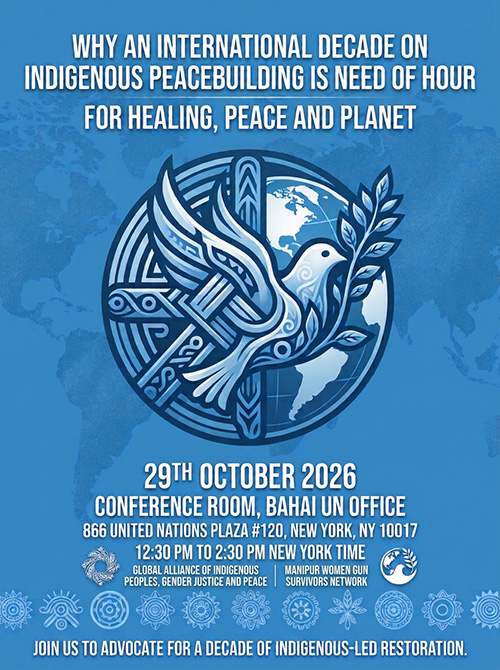
NEW YORK, October 30, 2026 — Indigenous leaders, nations, United Nations officials and peacebuilding advocates gathered in New York on October 29, 2026, for an important briefing held alongside the United Nations General Assembly Third Committee, calling for the establishment of an International Decade on Indigenous Peacebuilding.
The briefing brought renewed international attention to the outcomes and recommendations of the Second Global Summit on Indigenous Peacebuilding, held in New York on April 25–26, 2026. Building on the momentum of the Summit and the United Nations recognition of Indigenous Peacebuilding through General Assembly Resolution A/79/455, participants called for a stronger global commitment to recognising, resourcing and integrating Indigenous-led approaches to conflict prevention, mediation, reconciliation and sustainable peace.
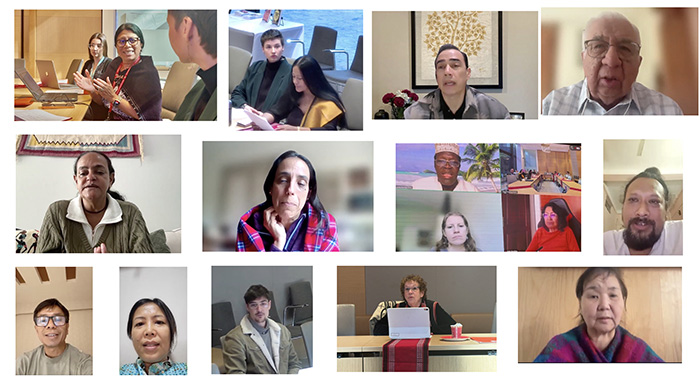
The gathering brought together representatives of nations, UN Women, UN peacebuilding offices and Indigenous leaders from more than 10 countries, creating an important space for dialogue, international solidarity and collaboration on advancing Indigenous leadership in global peace and security.
Building Momentum for an International Decade on Indigenous Peacebuilding
A central focus of the briefing was the call for the United Nations to proclaim an International Decade on Indigenous Peacebuilding, building on the recommendations and collective commitments emerging from the Second Global Summit.
Participants emphasised that Indigenous Peoples have longstanding knowledge systems, governance traditions, diplomatic practices and community-based mechanisms for preventing conflict, resolving disputes and restoring relationships. These approaches are particularly important in a world experiencing protracted conflicts, forced displacement, environmental destruction and increasing pressures on Indigenous territories.
The proposed International Decade would provide an opportunity to strengthen Indigenous-led peacebuilding institutions, support Indigenous mediators and negotiators, ensure the meaningful participation of Indigenous women and youth, and integrate Indigenous knowledge and practices into national, regional and international peace and security frameworks.
The briefing reaffirmed that Indigenous Peoples must be recognised not merely as communities affected by conflict, but as essential leaders, knowledge holders, decision-makers and architects of peace.
Landmark UN Secretary-General’s Report Recognises Indigenous Women’s Leadership
An important highlight of the briefing was the recognition of the landmark United Nations Secretary-General’s Report on Women, Peace and Security, which highlights Indigenous women as leaders and decision-makers in the interconnected areas of climate, peace and security.
This recognition marks an important contribution to the growing international understanding that Indigenous women’s leadership is indispensable to addressing the interconnected challenges of conflict, climate change, environmental protection and sustainable peace.
Indigenous women have long played critical roles as peacebuilders, mediators, community leaders, defenders of land and territories, and custodians of traditional knowledge. Their leadership is essential not only in responding to conflict but also in preventing violence, strengthening community resilience and building lasting peace.
The briefing also welcomed the recognition and mention of the Second Global Summit on Indigenous Peacebuilding in the Secretary-General’s report, bringing greater visibility to the contributions and recommendations of Indigenous peacebuilders within the UN’s global Women, Peace and Security framework.
Participants stressed the importance of translating this recognition into concrete action, including meaningful representation, resources, institutional support and decision-making power for Indigenous women at all levels of peace and security processes.
Advancing the Outcomes of the Second Global Summit
The Second Global Summit on Indigenous Peacebuilding, held in April 2026 in New York, brought together 300 Indigenous leaders, elders, women, youth, peacebuilders and allies from 80 countries across the world to advance Indigenous approaches to peace, healing, diplomacy and conflict transformation.
The October 29 briefing served as an important opportunity to carry the Summit’s recommendations into ongoing United Nations deliberations and strengthen engagement with Member States and UN institutions.
Participants called for sustained collaboration among Indigenous Peoples, Member States, UN agencies, women’s organisations and peacebuilding institutions to advance the International Decade proposal and ensure that Indigenous-led peacebuilding becomes an integral part of the international peace and security architecture.
A Collective Call for Global Action
The briefing underscored the need for a global peacebuilding framework that recognises the knowledge, leadership and agency of Indigenous Peoples, while ensuring that Indigenous women and communities affected by armed conflict are at the centre of peacebuilding efforts.
It reaffirmed the importance of moving from recognition to implementation, from participation to decision-making, and from commitments to concrete investments in Indigenous-led peace initiatives.
The convening was organised by the Global Alliance of Indigenous Peoples, Gender Justice and Peace and the Manipur Women Gun Survivors Network, as part of their continued work to advance Indigenous peacebuilding, gender justice and the leadership of Indigenous women in global peace and security processes.
The organisers expressed appreciation to the representatives of nations, UN Women and UN peacebuilding offices, Indigenous leaders and all participants from more than 10 countries who joined the briefing and contributed to advancing this important global agenda.
The call for an International Decade on Indigenous Peacebuilding is a call to recognise that lasting peace must be built with Indigenous Peoples, grounded in their knowledge systems, and led by those who have sustained peace in their communities for generations.